Anaerobic Reactors
We offer design, installation and operation of on-site plants.
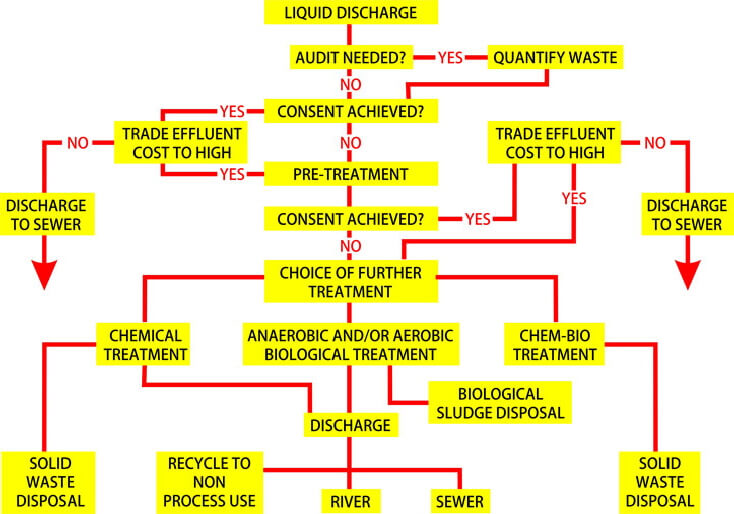
Industrial, municipal, and agricultural processes often generate large volumes of highly polluted wastewater. As a result, effective treatment is crucial for minimising disposal costs, complying with discharge consents, and preserving the environment.
At KEE, our anaerobic digestion technology provides a proven, sustainable solution for high-strength wastewater streams. Trust our engineers to keep your system running effectively, and book a service with us today.
Why Choose Anaerobic Digestion?
Public sewers are a convenient disposal route, but they come at a cost, mainly when wastewater contains high levels of Chemical Oxygen Demand (COD) or suspended solids. By applying anaerobic digestion, operators can work to lower levels and reduce surcharges, recover biogas for renewable energy, decrease sludge volume, and lower disposal costs.
Tailored Wastewater Treatment Solutions
KEE offers complete design, installation, and operation of on-site treatment plants that integrate anaerobic digestion with aerobic and physicochemical processes for optimal performance.
Our Anaerobic Reactor Systems
- Anaerobic Digester Reactors: For high-strength industrial effluents, optimising biogas recovery and reducing COD.
- Combined Anaerobic + Aerobic Solutions: NuDisc® RBCs, Submerged Aerated Fixed Film (SAFF), Extended Aeration, and SBR systems for flexible treatment across all wastewater strengths.
- Custom Engineered Installations: Designed and delivered by KEE’s experienced project and process engineers for complex industrial and municipal sites.
Partner with KEE for Anaerobic Wastewater Treatment
With decades of experience in wastewater management, KEE offers comprehensive anaerobic digestion solutions that strike a balance between environmental protection, compliance, and operational cost savings. Contact us for further information. We’re glad to help.
FAQs
What are the four stages of anaerobic digestion?
Anaerobic digestion is a complex biological process in which multiple microbial groups work together within an anaerobic reactor. This process occurs in four distinct and sequential stages:
- Hydrolysis: During this stage, complex organic polymers such as proteins, carbohydrates, and fats are broken down by hydrolytic bacteria into simpler, soluble molecules, including sugars, amino acids, and fatty acids.
- Acidogenesis: In this phase, acidogenic bacteria convert these simpler molecules into volatile fatty acids (VFAs), as well as alcohols, carbon dioxide (CO₂), and hydrogen (H₂).
- Acetogenesis: Here, acetogenic bacteria transform the volatile fatty acids and alcohols into essential intermediate products, which include acetic acid, hydrogen, and carbon dioxide.
- Methanogenesis: Finally, methanogenic archaea consume acetic acid and hydrogen to produce methane (CH₄) and carbon dioxide. Together, these gases form biogas.
This structured approach highlights the cooperative nature of the microorganisms involved in anaerobic digestion and the sequential transformation of organic matter into biogas.
What are anaerobic digesters for wastewater treatment?
Anaerobic digesters, also known as anaerobic digestion reactors, are large, sealed containers designed to treat high-strength industrial wastewater and municipal sludge without the presence of oxygen. These digesters use specialised anaerobic bacteria to break down organic pollutants, as measured by Chemical Oxygen Demand (COD) and volatile solids.
The main functions of anaerobic reactors in wastewater treatment include:
- Energy Recovery: They convert organic pollutants into clean, renewable biogas (methane), which can be captured and used to generate heat or electricity for the facility.
- Sludge Stabilisation: They reduce sludge volume, resulting in more stable, less odorous biosolids that are easier to dispose of or reuse.
This process offers a sustainable, energy-efficient alternative to traditional aerobic treatment for appropriate waste streams.
Are there any disadvantages of using anaerobic reactors in wastewater treatment?
While anaerobic reactors are highly efficient in reducing organic load and generating energy, they do come with specific operational challenges compared to aerobic systems:
- Sensitivity: Anaerobic microorganisms are susceptible to environmental changes, including sudden shifts in temperature, pH, and exposure to toxic substances. This sensitivity necessitates strict process monitoring and control.
- Slow Start-Up: Establishing a stable, healthy microbial population in an anaerobic digestion reactor can take several weeks or even months.
- Effluent Quality: Although anaerobic processes excel at removing carbon-based organic load, they generally do not remove inorganic nutrients such as nitrogen and phosphorus. As a result, additional treatment (often aerobic) is required to meet strict final discharge regulations.
Odour Potential: If the process is disrupted, it can generate compounds such as hydrogen sulfide, leading to significant odour issues that require specialised control measures.