KEE Rotating Biological Contactor (RBC) Wastewater Treatment Plants
Efficient, Robust, and Sustainable RBC Water Treatment
What is a KEE RBC Plant?
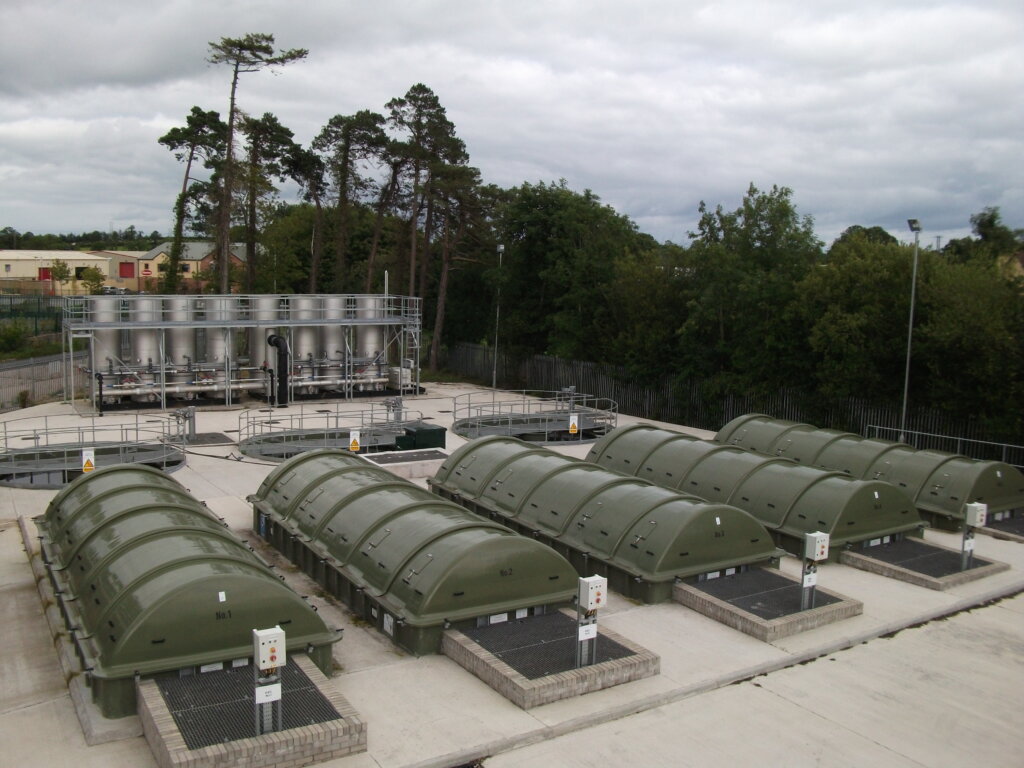
A KEE Rotating Biological Contactor (RBC) plant is an energy-efficient, whisper-quiet wastewater treatment system designed for high-quality effluent processing. Utilising a fixed-film biological growth process on slowly rotating discs, KEE RBC systems provide resilient organic pollutant and ammonia removal for residential developments, leisure sites, commercial facilities, and rural communities.
How KEE RBC Water Treatment Works
To maintain strict compliance with Environment Agency and local authority discharge permits, wastewater requires consistent biological processing. The KEE RBC system achieves this through mechanical simplicity and natural aeration.
- Fixed-Film Biological Growth: Closely spaced circular discs mounted on a central shaft slowly rotate through wastewater and air.
- Natural Aeration: As the discs emerge from the liquid phase into the atmospheric phase, the attached biomass absorbs oxygen naturally, eliminating the need for power-intensive air blowers.
- Resilient Pollutant Breakdown: The robust biomass absorbs organic matter and nitrifies ammonia, delivering stable processing even under fluctuating organic loads.
Key Advantages of KEE RBC Systems (Comparison Matrix)
| Key Feature | KEE RBC Plant | Traditional Activated Sludge / Diffused Aeration |
|---|---|---|
| Energy Consumption | Ultra-Low: Slow shaft rotation requires minimal power. | High: Requires continuous, high-pressure air blowers. |
| Noise & Odour | Whisper-Quiet: Near-silent operation with suppressed odours. | Can generate noticeable operational blower noise. |
| Load Resilience | High: Fixed-film biomass resists washouts and shock loads. | Vulnerable to biomass loss during sudden peak flows. |
| Operational Lifespan | Decades: Heavy-duty shafts, robust gearboxes, corrosion resistance. | Requires frequent membrane and blower replacements. |
| Maintenance Profile | Simple mechanical checks & routine accredited servicing. | High ongoing mechanical and electrical intervention. |
Recommended Applications
KEE RBC plants are engineered to scale for a diverse array of sectors requiring low-impact, reliable effluent treatment:
- Leisure & Tourism (Hotels, Holiday Parks, Campsites): Designed to handle severe seasonal flow spikes without compromising biological stability.
- Small Communities & Housing Estates: Delivers whisper-quiet operation and zero nuisance odours near residential boundary lines.
- Industrial Pre-Treatment: Reduces high BOD (Biochemical Oxygen Demand) levels before discharging effluent into public sewer networks.
- Environmentally Sensitive Locations: Ultra-low energy draw supports off-grid solar or low-carbon installation requirements.
Engineered for Lifetime Value & Compliance
KEE Process builds every RBC unit to survive demanding environmental conditions, providing maximum return on investment through:
- Corrosion-Resistant Components: Precision-engineered central shafts built to withstand harsh effluent environments.
- High-Density Disc Media: Maximised biological surface area within a compact physical footprint.
- Heavy-Duty Drive Assemblies: Industrial-grade gearboxes and motors rated for continuous 24/7/365 performance.
Comprehensive Service, Parts & Maintenance
An RBC plant is an active investment in environmental compliance. KEE provides nationwide support through our team of British Water-accredited engineers.
- Planned Preventative Maintenance: Routine mechanical checks, drive assembly servicing, and biomass health evaluations.
- Emergency Call-Out & Refurbishment: Out-of-hours response, spare parts supply, and total plant upgrades.
- Complete Operational Management: Full service contracts designed around Environment Agency discharge requirements.