The Difference Between Domestic and Industrial Wastewater Treatment
When it comes to managing effluent, a “one size fits all” approach simply doesn’t work. Whether you’re overseeing a private residential estate or a large-scale manufacturing plant, it’s essential to understand wastewater nuances for both environmental compliance and operational efficiency.
At KEE, we offer tailored solutions for both sectors. However, the technical requirements for treating domestic sewage differ significantly from those needed for industrial wastewater treatment. In this blog, we will explore the key differences between wastewater treatment methods, discuss the various types of wastewater treatment, and explain why specific technologies, such as aeration systems, are crucial for effective biochemical oxygen demand (BOD) removal.
1. Source and Composition
The most fundamental difference between domestic sewage and industrial wastewater lies in their composition.
- Domestic Sewage: This primarily consists of “blackwater” and “greywater” from toilets, sinks, baths, and kitchens. The pollutants are mostly organic, such as human waste, food scraps, and soaps. Since the composition of domestic sewage is relatively predictable, treatment processes can be standardised.
- Industrial Wastewater: A byproduct of manufacturing, processing, or commercial activities. Depending on the industry, such as food and beverage, pharmaceuticals, or textiles, this water may contain heavy metals, oils, high salinity, or complex chemicals. Due to this variability, industrial systems often require customised engineering solutions.
2. BOD Removal: The Organic Load
Biochemical Oxygen Demand (BOD) measures the amount of dissolved oxygen needed by aerobic organisms to break down organic material.
In domestic sewage treatment, BOD levels are generally consistent. However, in industrial wastewater treatment, BOD levels can be exceptionally high, often ten to twenty times greater than those in domestic waste. Efficient BOD removal is critical in industrial settings to prevent oxygen depletion in local water bodies, which can be catastrophic for aquatic life.
3. Types of Wastewater Treatment Systems
Different waste streams require varied mechanical and biological responses.
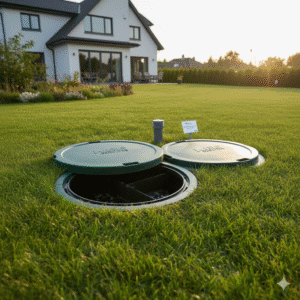
- Domestic Systems: For small-scale or off-mains domestic sites, technologies like the KEE NuFlow or NuDisc packaged treatment plants are ideal. These systems are designed for reliability and low maintenance, utilising Rotating Biological Contactor (RBC) technology for efficient waste treatment.
- Industrial Systems: Industrial sites often demand more robust, multi-stage processes. This may include primary settlement, anaerobic reactors for high-strength waste, or dispersed air flotation (DAF) systems to remove oils and solids before the biological treatment stage begins.
4. The Role of Aeration Systems
Both domestic and industrial processes rely heavily on oxygen to fuel the bacteria that digest waste. However, the application of aeration systems varies:
In domestic plants, aeration is typically achieved through natural rotation (such as in an RBC) or small-scale submerged aerated filters (SAF).
In industrial applications, fine bubble aeration systems or forced air systems are often employed to meet the higher oxygen demand required to break down dense industrial pollutants. These systems ensure that even challenging effluents are treated in compliance with strict environmental regulations.
5. Regulatory Compliance
Domestic systems must comply with general binding rules and local environmental standards to prevent groundwater pollution. In contrast, industrial sites are usually subject to much stricter “Trade Effluent” consents. This means industrial operators must closely monitor their discharge, as failure to meet standards can result in substantial fines.
Why Choose KEE?
Whether you are seeking a domestic sewage solution or a complex industrial plant, KEE offers a comprehensive end-to-end service. From the initial design and installation of wastewater systems to ongoing maintenance and emergency repairs, our team ensures your system remains compliant and efficient.
Are you unsure which system is right for your site? Contact the experts at KEE today to discuss our range of wastewater solutions and ensure your site is protected.