Maintenance Checklist for Wastewater Treatment Systems
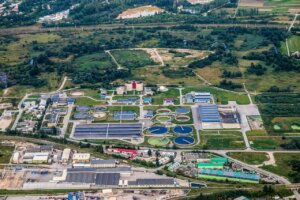
Maintaining wastewater treatment systems properly is crucial for their efficiency, compliance, and longevity. A structured maintenance checklist is vital for managing any system, be it a sewage treatment plant, an industrial water treatment system, or a sewage tank. This approach helps avert expensive breakdowns and environmental dangers. This guide offers a comprehensive checklist for routine upkeep and troubleshooting.
Optimising Wastewater Treatment: Key Maintenance Strategies
Effective maintenance of wastewater treatment systems is crucial for their efficient operation and longevity. This involves a systematic approach to various components, ensuring compliance and safety.
- Comprehensive System Inspections
Regular inspections are fundamental to identifying potential issues early, including structural and mechanical checks for leaks, damage, or unusual noises in tanks, pumps, and pipes. It also involves assessing electrical systems for signs of corrosion or wear in panels, motors, and control systems, and verifying proper water flow and efficient sludge removal within primary and secondary clarifiers.
- Pump and Motor Management
These critical components require diligent care, including ensuring operational efficiency through smooth pump function, free from blockages or excessive vibrations. This involves preventative maintenance, such as lubricating moving parts and promptly replacing worn seals or bearings. Continuous performance monitoring, achieved by tracking energy consumption, enables proactive issue detection and resolution.
- Filtration, Screening, and Chemical Dosing
Maintaining these areas prevents system inefficiencies:
- Filter and Screen Maintenance: Regularly clean or replace filters and screens to prevent clogging and ensure optimal flow.
- Chemical System Calibration: Verify that chemical dosing systems, used for pH control and chlorination, are accurately calibrated and fully functional.
- Storage Tank Integrity: Inspect chemical storage tanks for any leaks or signs of degradation.
- Aeration and Sedimentation Processes
Optimising aeration to ensure sufficient oxygenation in basins, regularly removing sludge from sedimentation tanks, and inspecting blowers and compressors for any unusual noise or vibrations are all vital processes for effective biological treatment.
- Safety and Regulatory Compliance
Prioritising safety and adherence to regulations is paramount:
- Emergency Preparedness: Confirm that emergency shut-off switches are easily accessible and in perfect working order.
- Staff Protection: Ensure the maintenance of all necessary safety equipment and clearly visible signage to protect personnel.
- Documentation and Standards: Keep meticulous maintenance logs and ensure strict adherence to all relevant regulatory standards.
Maintenance Frequency Recommendations
Daily tasks include conducting visual inspections for leaks and checking equipment operation. Weekly, clean filters and screens, and remove accumulated sludge.
Monthly tasks involve calibrating dosing systems and testing water quality parameters. Quarterly, seals and gaskets are reviewed, and detailed system checks are performed.
Annually, a comprehensive system audit, including a structural assessment and compliance review, is conducted.
Why Maintenance Matters for Sewage and Industrial Plants
Regular maintenance is crucial for industrial water treatment systems, including commercial sewage plants and onsite sewage tanks. Neglecting it can lead to system failures, environmental contamination, higher operational costs, and regulatory penalties. Conversely, well-maintained systems optimise treatment processes and extend the lifespan of essential equipment.
For expert assistance with sewage plant maintenance or bespoke industrial water treatment solutions, visit KEE Services. Our professional services are designed to ensure your wastewater systems operate efficiently.