Signs Your Commercial Septic Tank or Treatment Plant is Over Capacity
An overloaded or failing commercial wastewater treatment system can quickly lead to health code violations, costly closures, and Environment Agency fines for hospitality businesses. Key warning signs of an over-capacity plant include persistent foul odours, slow-draining kitchen gullies, pooling water over drainage fields, high-level alarm trips, and murky effluent discharge. Immediate intervention through flow balancing, mechanical refurbishment, or planned maintenance prevents catastrophic operational downtime.
For pubs, inns, and rural restaurants, a spike in covers during sunny weekends or holiday seasons is great for revenue, but brutal on off-mains drainage systems. Unlike domestic systems designed for steady, predictable loading, commercial hospitality plants face aggressive hydraulic surges, high organic loads (BOD), and heavy fats, oils, and grease (FOG).
When a commercial septic tank or package treatment plant reaches hydraulic or biological capacity, failure happens rapidly. Spotting early warning signs allows site operators to resolve issues before guest complaints or regulatory breaches occur.
The 5 Major Red Flags of System Capacity Failure
1. Persistent Odours Near Guest Areas or Kitchens
While sewage systems are designed to contain foul smells, persistent hydrogen sulfide (“rotten egg”) odours near outdoor dining areas, beer gardens, or kitchen gulleys indicate that anaerobic conditions have taken over. This occurs when the biological treatment process is starved of oxygen due to excessive organic loading or sludge buildup.
2. Slow Draining Fixtures & Backups During Peak Hours
If toilets flush slowly or commercial dishwashers back up during peak meal services, the issue is rarely just a localised pipe blockage. It typically signals that the primary settlement zone or receiving pump chamber is at maximum capacity, preventing fresh influent from entering the system freely.
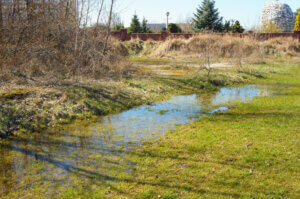
3. Surface Water Pooling Near Soakaways & Drainage Fields
Standing, murky water or unusually lush, spongy grass around the drainage field indicates that effluent is no longer filtering through the soil properly. When an overloaded system discharges untreated solids into a drainage field, it blinds the soil matrix, causing total soakaway failure.
4. Frequent Control Panel Alarms & High-Level Trips
Modern packaged treatment plants and pumping stations use high-level float switches to alert operators to rising water levels. Frequent alarm trips during high-traffic shifts mean your plant’s hydraulic throughput cannot keep up with incoming flow rates.
5. Murky, Dark, or Smelly Final Effluent
Under Environment Agency General Binding Rules, final effluent discharged into watercourses or soakaways must meet strict quality standards (typically 20mg/l BOD: 30mg/l Suspended Solids: 20mg/l Ammonia). If your discharge point looks discoloured or carries visible solids, the biological process has collapsed, putting your business at immediate risk of environmental prosecution.
Comparing Overload Symptoms & Immediate Actions
| Failure Symptom | Primary Cause in Hospitality | Immediate Corrective Action |
|---|---|---|
| Foul Odours in Beer Garden | Overloaded biological media/sludge buildup. | Desludge tank and inspect aeration/RBC drive shaft. |
| Kitchen Gully Backups | FOG accumulation & high peak hydraulic surge. | Install/clean grease traps & implement flow balancing. |
| Standing Water over Soakaway | Bio-mat formation from suspended solids carryover. | Divert effluent stream and conduct professional camera audit. |
| High-Level Alarm Tripping | Pump failure or undersized peak flow capacity. | Request emergency 24/7 technician callout & tankering. |
How to Prevent Commercial Wastewater Overload
- Conduct a Population Equivalent (PE) Audit: Ensure your physical plant matches current trading volume. A site originally sized for a small country pub will fail if expanded to include a commercial kitchen, wedding marquee, or guest accommodation. Ensure your PE rating matches peak cover numbers rather than daily averages.
- Install Upstream FOG Interceptors & Pre-Treatment: Prevent fats and grease from suffocating biological media. Grease and cooking oils bind sewage solids together, drastically reducing effective tank capacity. Installing Dispersed Air Flotation (DAF) or high-capacity grease traps protects downstream biological processes.
- Implement Flow & Load Balancing: Smooth out surge flows from commercial kitchens and dishwashers. Surge control tanks collect peak discharges during lunch and dinner hours, dosing the main treatment plant gradually over 24 hours to prevent hydraulic washing of active biomass.
- Enrol in a Planned Preventative Maintenance (PPM) Contract: Catch mechanical and biological deterioration early. Routine servicing by qualified engineers ensures air blowers, Rotating Biological Contactor (RBC) drives, and pumps are inspected, preventing sudden peak-season failures.
Frequently Asked Questions
What happens if the Environment Agency inspects a failing treatment plant?
Discharging non-compliant effluent into a watercourse or groundwater is a criminal offence under the Environmental Permitting Regulations. Fines are uncapped, and business owners can face personal liability alongside remediation costs.
Can we just pump out the septic tank more often instead of upgrading?
Frequent tankering (desludging) provides a temporary short-term buffer, but it does not fix a biologically overwhelmed or hydraulically undersized system. In the long run, emergency tankering costs significantly more than upgrading or refurbishing the treatment infrastructure.
Is your venue experiencing drainage backups, odours, or compliance concerns?
Don’t wait for a peak trading period failure. Contact the KEE’s engineering team today to arrange a comprehensive site survey and bespoke maintenance review.