The Hidden Cost of ‘Fix-it-When-it-Breaks’: Why Reactive Maintenance is Bleeding Your Budget
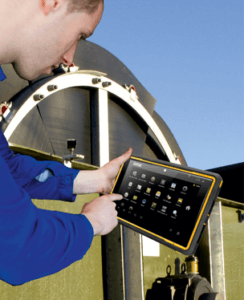
For facilities managers and stakeholders overseeing large-scale commercial developments, infrastructure often becomes “out of sight, out of mind”, until an issue arises. When a sewer line backs up or a pump fails, the focus shifts immediately to emergency recovery.
However, the true cost of a “fix-it-when-it-breaks” mentality, known as reactive maintenance, extends far beyond just the invoice for a single repair. For high-capacity sites, relying on reactive solutions is a strategy that can drain budgets and compromise operational continuity.
In this post, we will explore why transitioning to planned preventative maintenance (PPM) is the most significant cost-saving measure a large-scale project can implement.
The Reactive Trap: More Than Just a Repair Bill
Reactive maintenance may seem budget-friendly in the short term because there is no immediate expense. However, when a critical system fails, several hidden costs emerge:
- Premium Emergency Rates: Emergency call-outs for pumping station repairs or collapsed drains often occur outside of standard business hours, incurring higher labour rates and urgent shipping costs for parts.
- Operational Downtime: For commercial hubs, industrial plants, or large residential blocks, a drainage failure can halt production or necessitate an evacuation. The financial impact of downtime often far exceeds the cost of the repair itself.
- Collateral Damage: A blocked pipe doesn’t just stop water; it can cause flooding. The secondary costs associated with water damage, such as remediation, mould treatment, and structural repairs, are entirely avoidable.
- Shortened Asset Lifespan: Equipment that runs to the point of failure typically has a much shorter lifespan than equipment that undergoes regular servicing. Replacing an entire pumping system is significantly more expensive than replacing a few worn seals during a scheduled maintenance check.
The Strategic Advantage of Planned Preventive Maintenance (PPM)
Planned preventative maintenance is the practice of scheduling routine inspections and servicing to ensure that assets are performing optimally and to catch minor issues before they escalate into major failures.
Commercial Drainage Maintenance
In large-scale projects, the drainage network is complex. Over time, silt, grease, and debris build up, leading to “fatbergs” or structural weaknesses if not addressed. A planned high-pressure water jetting schedule can ensure that pipes remain clear, maintaining the flow and integrity of the entire site’s infrastructure.
Pumping Station Reliability
Pumping stations serve as the heart of many commercial wastewater systems, and they are mechanical systems prone to wear and tear. Planned maintenance involves checking float switches, cleaning wet wells, and testing motor resistance. By identifying a failing capacitor or worn impeller during a scheduled visit, you can avoid the environmental fines and health risks associated with a raw sewage overflow.
Flipping the Script: The 80/20 Rule
Leading industry benchmarks suggest that world-class facilities aim for an 80/20 split, with 80% of maintenance being planned and only 20% being reactive.
When you transition to a PPM model with a partner like KEE, your budget becomes predictable. You move from “firefighting” mode to a controlled environment where:
- Repairs are scheduled during low-impact hours.
- Parts are ordered in advance, avoiding emergency markups.
- Health and safety compliance is documented and up to date.
Conclusion
The “fix-it-when-it-breaks” approach is a gamble where the house always wins. For large-scale projects, the risks, ranging from astronomical emergency fees to reputational damage, are simply too high.
Investing in planned preventative maintenance is not just an operational choice; it is a financial one. By prioritising commercial drainage maintenance and regular pumping station repairs, you protect your budget, your assets, and your peace of mind.
Is your site protected? Contact KEE today to discuss a tailored maintenance and service package designed to keep your infrastructure flowing and your costs under control.