Wastewater Planning for New Developments: Avoiding Common Pitfalls
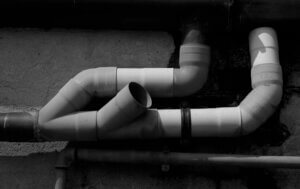
If you’re in the midst of planning a new development, you likely have many tasks to juggle. From architectural design to breaking ground, the exciting elements often take centre stage. However, beneath the surface lies a critical aspect that can determine the long-term success of your project: wastewater planning.
At KEE Services, we have encountered a wide range of situations. We’ve been called to sites where the solution provided was merely a temporary fix, leading to environmental issues and skyrocketing costs. We don’t just maintain tanks; we prioritise sustainable water management.
Common Wastewater Planning Pitfalls
To help keep your project on track, here are the most common pitfalls in wastewater planning and how to avoid them.
1. Treating Wastewater as an Afterthought
One of the biggest mistakes developers make is postponing the wastewater strategy until the later stages of the design process. When you focus on the water supply and layout without considering how waste will be managed, you may end up with expensive, inefficient solutions.
- The Fix: Involve wastewater specialists in your initial feasibility studies. Early planning enables gravity-fed systems rather than costly pumping stations, saving you thousands in long-term energy and maintenance costs.
2. Underestimating Sustainable Drainage Systems (SuDS)
Regulatory bodies are increasingly focused on how surface water is managed. Relying on traditional “pipes and holes” drainage systems can result in rejected planning applications. Sustainable drainage systems (SuDS) are now essential for managing flood risks and mimicking natural drainage.
- The Fix: Look beyond traditional pipes. Incorporate permeable paving, swales, or attenuation ponds into your landscaping. This not only meets local authority requirements but also enhances biodiversity and the aesthetic appeal of your development.
3. Ignoring Local Water Quality Standards
Discharging treated effluent into a nearby watercourse involves more than just filtering out large particles. The Environment Agency (EA) and local regulators have strict requirements regarding water quality. If your treatment plant fails to meet specific levels of nitrogen, phosphorus, or ammonia, you could face hefty fines and potential legal action.
- The Fix: Invest in high-specification treatment plants, such as the KEE NuDisc®, to deliver consistently high-quality effluent. Don’t just purchase a tank; ensure you have a performance guarantee.
4. Failing to Account for Future Capacity
A system that accommodates ten homes today might not suffice if you add a community centre or several more blocks later. Overloading a system can result in mechanical failure, unpleasant odours, and dissatisfied residents.
- The Fix: Build in a “buffer.” At KEE, we recommend modular systems that can expand as your development grows. This approach prevents a significant upfront investment and ensures you won’t have to dig up the road again in just a few years.
5. Neglecting the Aftercare Plan
The most sophisticated wastewater system is only as effective as its maintenance schedule. Many developers hand over a project without a clear Service Level Agreement (SLA), which can lead to system degradation and “blame-shifting” when issues arise.
- The Fix: Ensure that a professional maintenance contract is in place from day one. At KEE, we take pride in being the “invisible experts”; we keep the system running so seamlessly that the residents may not even realise we are there.
The KEE Advantage
Wastewater planning doesn’t have to be stressful. When executed properly, it serves as a silent, sustainable backbone that supports your entire development. Whether you’re dealing with the complexities of water supply or designing a robust, sustainable drainage system, our team is here to help you avoid pitfalls and safeguard local water quality.
Ready to get your wastewater strategy right from the start? Contact the experts at KEE today, and let’s discuss a lasting solution.