What is the Sewage Process at a Sewage Treatment Plant?
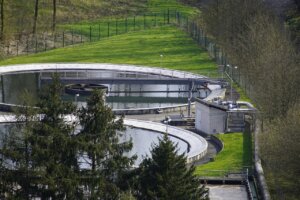
When we utilise water in our homes, whether flushing a toilet, draining a sink, or running a washing machine, we often overlook the crucial journey that wastewater takes once it leaves our premises. This process involves treating sewage, which is essential for maintaining public health and protecting the environment. Understanding the treatment process at a sewage treatment plant can enhance our appreciation of these complex systems, especially in domestic contexts.
What is Domestic Sewage?

Domestic sewage refers to the wastewater produced in residential settings, originating from sources such as toilets, showers, kitchens, and laundry appliances. This type of sewage typically contains organic matter, nutrients, and potentially harmful pathogens. Without effective treatment, domestic sewage poses significant risks to both public health and the environment. Domestic sewage treatment plants are designed to process and safely discharge or reuse this wastewater.
The Sewage Treatment Process: Step-by-Step
Sewage treatment typically occurs in three primary stages: preliminary, secondary, and tertiary treatment, each of which is critical for contaminant removal and preparing water for safe discharge.
1. Preliminary and Primary Treatment
This initial step removes large solids and settleable materials.
- Sedimentation: Wastewater enters a primary settlement tank where heavier solids settle at the bottom, forming sludge, while lighter materials float to the surface and are skimmed off. At this stage, approximately 60% of suspended solids are eliminated.
2. Secondary Treatment (Biological Treatment)
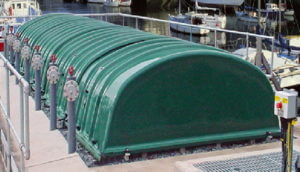
This step involves decomposing organic matter using bacteria and microbes. In many UK domestic sewage treatment plants, this step is often executed via:
- Activated Sludge Systems: Air is injected into aeration tanks, enabling bacteria to break down organic pollutants.
- Rotating Biological Contactors (RBCs): Discs rotate through the wastewater, hosting microorganisms that consume waste.
- Trickling Filters: Wastewater trickles over media such as stones or plastic, where microbes break down organic matter.
This stage successfully removes 85-95% of organic pollutants.
3. Final Settlement:
This process further purifies the water before discharge, which may involve:
- Secondary settling to remove fine solids before discharge.
After this stage, the water meets safety standards for discharge into natural water bodies or for non-potable reuse.
Importance of Domestic Sewage Treatment in the UK
In the UK, numerous rural homes lack access to mains drainage, making domestic sewage treatment plants essential for on-site wastewater management. The benefits of such systems include:
- Compliance with UK Environment Agency regulations.
- Protection of local water bodies and ecosystems.
- Sustainable management of wastewater for off-grid homes.
KEE Services
For those looking to upgrade an existing sewage system or install a new domestic sewage treatment plant in the UK, KEE is a reliable partner. They offer comprehensive support throughout the process, from design and installation to ongoing maintenance and servicing.
With decades of expertise in sewage treatment, KEE Services helps ensure that systems operate efficiently and in compliance with regulations, providing peace of mind at every stage of wastewater treatment management.